






The welfare and rights of the indigenous people of Canada – or the First Nations, a term collectively referring to all groups aside from Inuit and the Métis – are of pressing concern at a time when many companies wish to develop Canada’s wealth of natural resources.
Recent oil pipeline and liquefied natural gas (LNG) plant proposals come with the intention of boosting business in Canada. But, in reality, they have only added to anxiety about the adverse effects this form of development might have on First Nations communities residing in remote parts of the country. A recent addition to a host of headline-makers is a 4,400 kilometer-long project proposed by TransCanada known as Energy East, which would transport crude oil all the way from central Alberta to New Brunswick.
The charity for the promotion of indigenous rights around the world, Survival International, recently reported protests against a proposed pipeline in British Columbia as part of the ‘Idle No More’ movement, formed in reaction to recent government legislation deemed to threaten existing environmental regulations.
The indigenous people of Canada and a distinct political reality
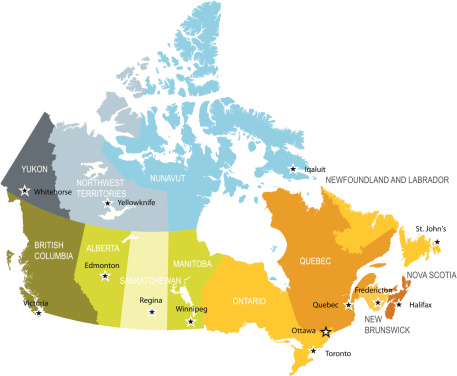 Courts have repeatedly upheld the indigenous people of Canada’s land rights, demanding that treaty agreements are drawn up for issues concerning First Nations, Métis and Inuit territory – a necessity long overlooked by businesses.
Ulrike Radermacher of Simon Fraser University’s Beedie School of Business explains this complex situation, which sets the political reality of Canada apart from its US neighbors to the south. “The fact that no treaties were made is now biting the government in the butt,” she says adding that many First Nations have now begun to negotiate these agreements. “People hoped that process might take a dozen years but it’s over 20 years now, it’s hugely expensive and only two treaties have really been completed. So, if a company like British Gas comes in and wants to build an LNG plant or a mine they have a duty to consult.”
This consultation must come between the government and the First Nations, leading to instances where companies have had to pull the plug on developing a site because they failed to follow this procedure. “There are cases where the companies have lost huge amounts of money because they didn’t think it necessary,” Radermacher says.
Cast in this light, we see how doing business in Canada can be strongly intertwined with the experiences both of the First Nations communities themselves and those working either with them or in areas where they reside.
 For indigenous students the idea is help them serve their own communities through economic development or to achieve financial security via individual and community entrepreneurship. It also aims to curb prejudice within the country that points to low completion rates among indigenous students as evidence that Western education has often been found to fail them.
 To help coordinate the school’s efforts to enhance access to indigenous business education, the idea of partnering with another university is high on the agenda. Other institutions, such as






Get closer to your dream programme
Your consent preferences have been set.
Time to start exploring.
Your account has been removed.
You can still browse the site or sign up again once you have parental consent.
Get closer to your dream programme